Most homes choose between two kinds of rooftop solar. The right one depends on how often your power goes off and what you want the system to do.
On-grid: lowest cost per unit
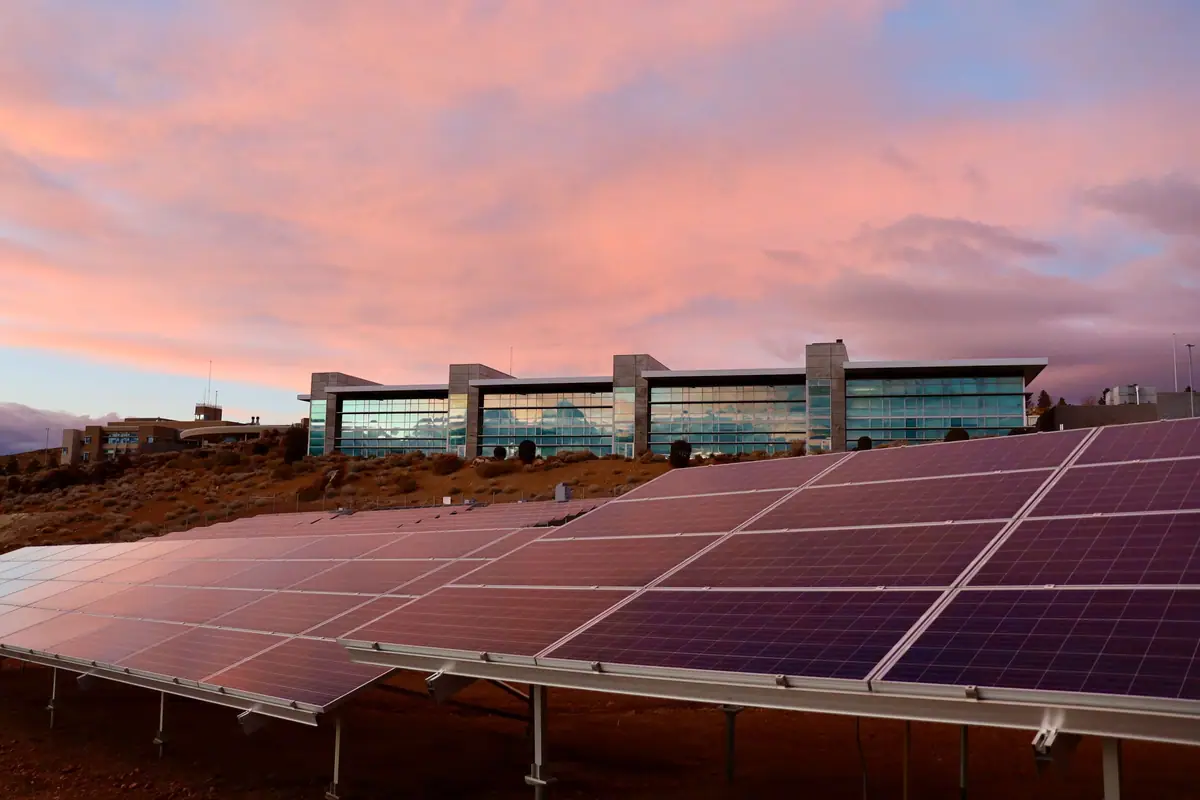
An on-grid system connects to KSEB through a net meter. By day your home uses solar power first. Extra power goes to the grid and is credited to your account. At night you use KSEB power as usual.
On-grid systems have no battery, so they cost less and need almost no maintenance. They also qualify for the PM Surya Ghar subsidy.* The trade-off: they switch off during a power cut. This is a safety rule, so line workers are not put at risk.
Hybrid: solar plus backup
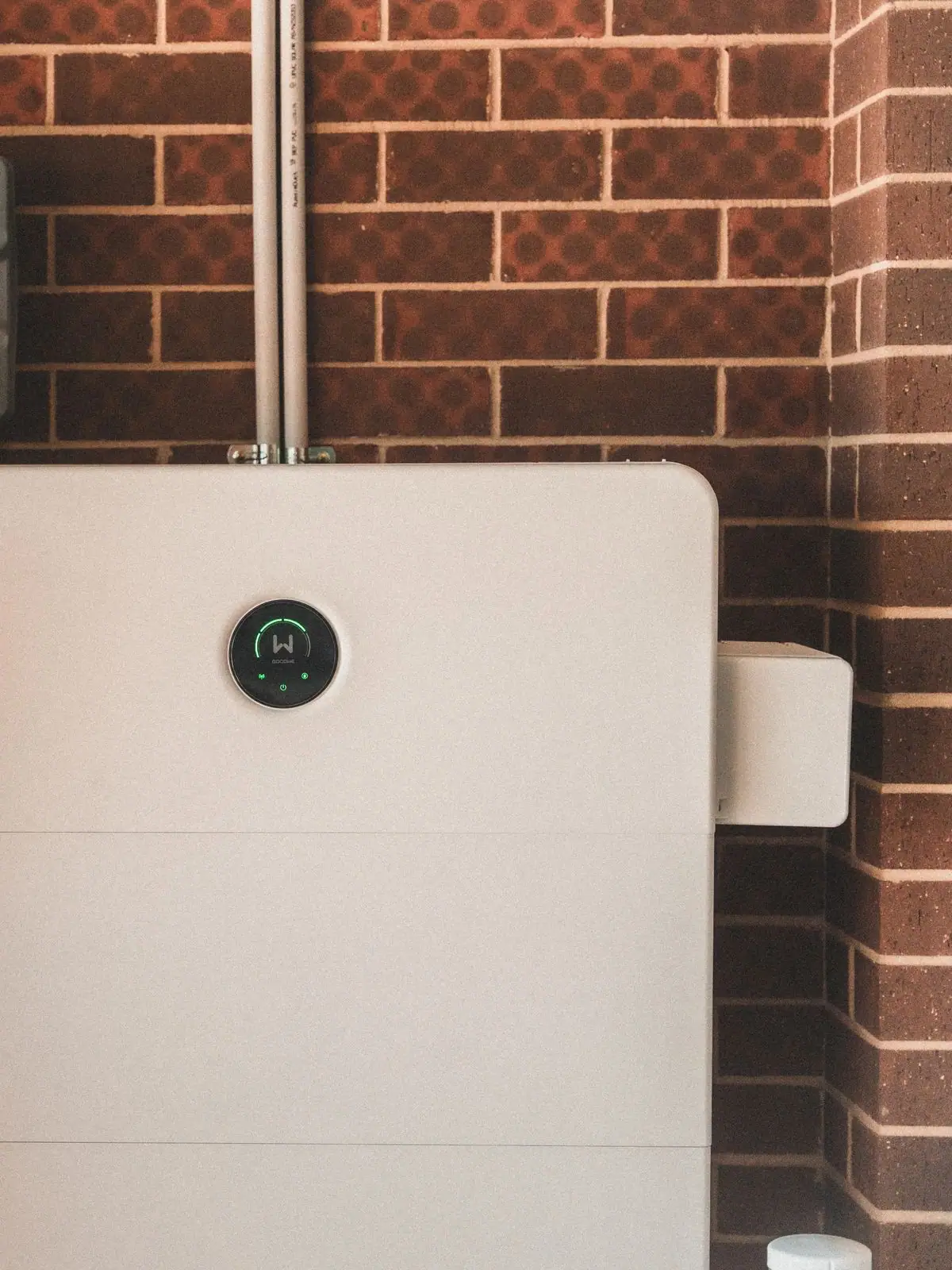
A hybrid system adds a battery and a hybrid inverter. It still connects to KSEB, but it can also store solar power and keep chosen circuits running when the grid fails.
Hybrid costs more because of the battery. It suits homes in hilly or rural areas with frequent cuts, and anyone who needs steady power for work, study or health reasons. Subsidy eligibility for hybrid systems is confirmed during survey.
How to choose
- Power cuts are rare and short? On-grid will give you the fastest payback.
- Cuts are frequent or long? Hybrid gives you backup and more self-use of solar.
- Already have on-grid solar? You can add a battery later with Wartens Backup.
During your free site survey we look at your bills, your area’s supply and your essential loads, and recommend one option with the reasons in writing.
*Subsidy amounts and rules are set by the Government of India and KSEB and may change. Wartens confirms current eligibility during your site survey.